dr. Székely Margit
specialist in medical rehabilitation
During the warm season, rising temperatures often lead to increased fluid retention and the development of peripheral edema, particularly in the lower limbs. Many patients automatically associate the presence of edema with a diagnosis of lymphedema and consider lymphatic drainage a universal solution for any type of swelling, including cosmetic issues such as cellulite. From a medical standpoint, this association is incorrect.
The link between high temperatures and the development of edema
Exposure to high temperatures causes peripheral vasodilation and hemodynamic changes, leading to increased capillary permeability and promoting fluid leakage into the interstitial space. In this context, the following conditions are commonly seen during the hot season:
- swelling in the ankles
- leg swelling
- heavy legs
- local discomfort and tension
Contributing factors, such as pre-existing venous or lymphatic disorders, a sedentary lifestyle, prolonged standing, obesity, and inadequate fluid intake, can further exacerbate peripheral fluid retention. However, the presence of peripheral edema does not automatically imply a diagnosis of lymphedema.
What is the difference between edema and lymphedema?
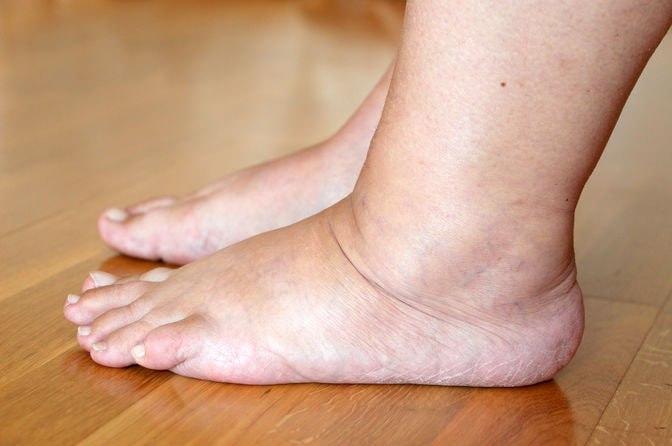
Peripheral edema is the excessive accumulation of fluid in the interstitial space, most commonly in the lower and/or upper limbs. It is often associated with circulatory, cardiac, or renal disorders and manifests as visible swelling of the affected area, a sensation of heaviness, tightness, or discomfort. Symptoms may appear gradually or suddenly. In some cases, edema may be temporary, often caused by prolonged standing, a sedentary lifestyle, high temperatures, or certain medications. However, when it persists or worsens, it is necessary to identify the cause and initiate appropriate treatment.
Lymphedema is a specific type of edema caused by the lymphatic system’s inability to drain lymph effectively, leading to a progressive and persistent accumulation of fluid in a specific area of the body, often in a single limb.
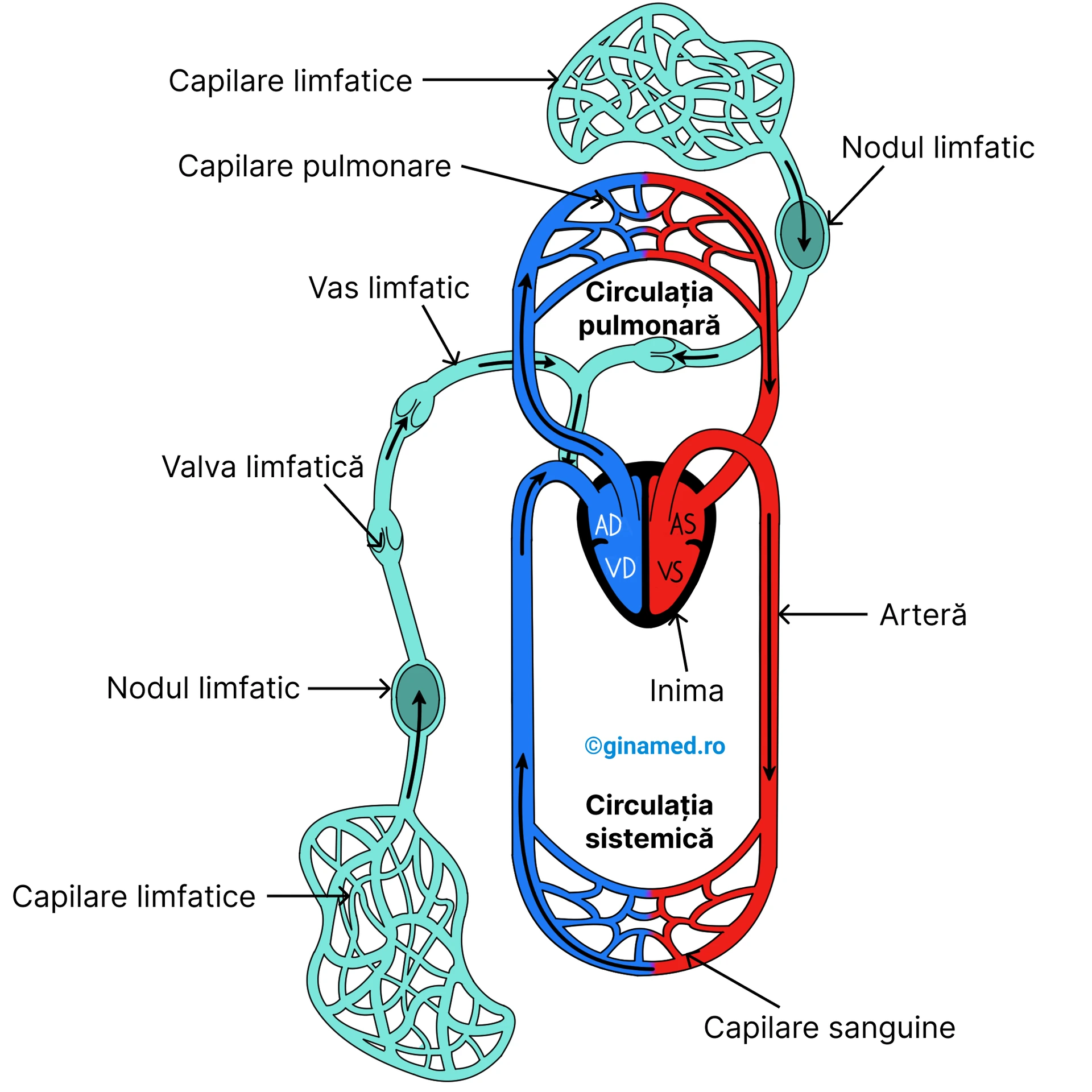
This condition can result from damage to or obstruction of the lymphatic vessels, often in the context of surgical procedures involving lymphadenectomy, cancer treatments, infections, trauma, or tumor compression. In addition to progressive swelling of the affected area, patients may experience a sensation of tightness, heaviness, discomfort, and limited mobility. In advanced stages, skin trophic changes, tissue fibrosis, and an increased risk of local infections may occur. Unlike common peripheral edema, lymphedema has a chronic course and requires a specific therapeutic approach, including lymphatic drainage, compression, and adapted exercises, to control symptoms and prevent complications.
Not all edema is lymphedema
Edema can occur in numerous systemic or local conditions, and determining the cause is essential for treatment. Peripheral venous insufficiency is one of the most common causes of lower limb edema. In heart failure, fluid and salt retention and increased venous pressure lead to the development of peripheral edema. Renal disorders can induce fluid retention by altering the mechanisms of filtration and regulation of circulating volume. Chronic liver diseases can lead to hypoalbuminemia and portal hypertension, promoting the development of edema and ascites. Hypothyroidism and other endocrine imbalances may be associated with fluid retention and tissue changes. During pregnancy, hormonal and mechanical changes promote the development of edema, particularly in the third trimester. Additionally, edema may occur secondary to surgical procedures, trauma, infections, or local inflammatory processes.
Clinical features in the differentiation of edema
From a clinical perspective, venous edema often exhibits diurnal variations, with symptoms progressively worsening throughout the day and improving in the morning following a night’s rest in the supine position. Furthermore, this type of edema responds favorably to positioning the limb in a pro-lateral position, by raising it above heart level, which facilitates venous return and fluid drainage.
Lymphedema is less dependent on the time of day, with little or no diurnal variation, particularly in advanced stages. Furthermore, it does not improve significantly simply by elevating the limb, as its pathophysiological mechanism involves impaired lymphatic drainage.
Lymphatic drainage - a specialized therapeutic procedure
Manual lymphatic drainage is a therapeutic technique used to stimulate lymphatic circulation and facilitate the elimination of interstitial fluid. The procedure consists of slow, rhythmic, and precise movements tailored to the anatomy and physiology of the lymphatic system, with the aim of directing lymph toward the functional drainage areas. 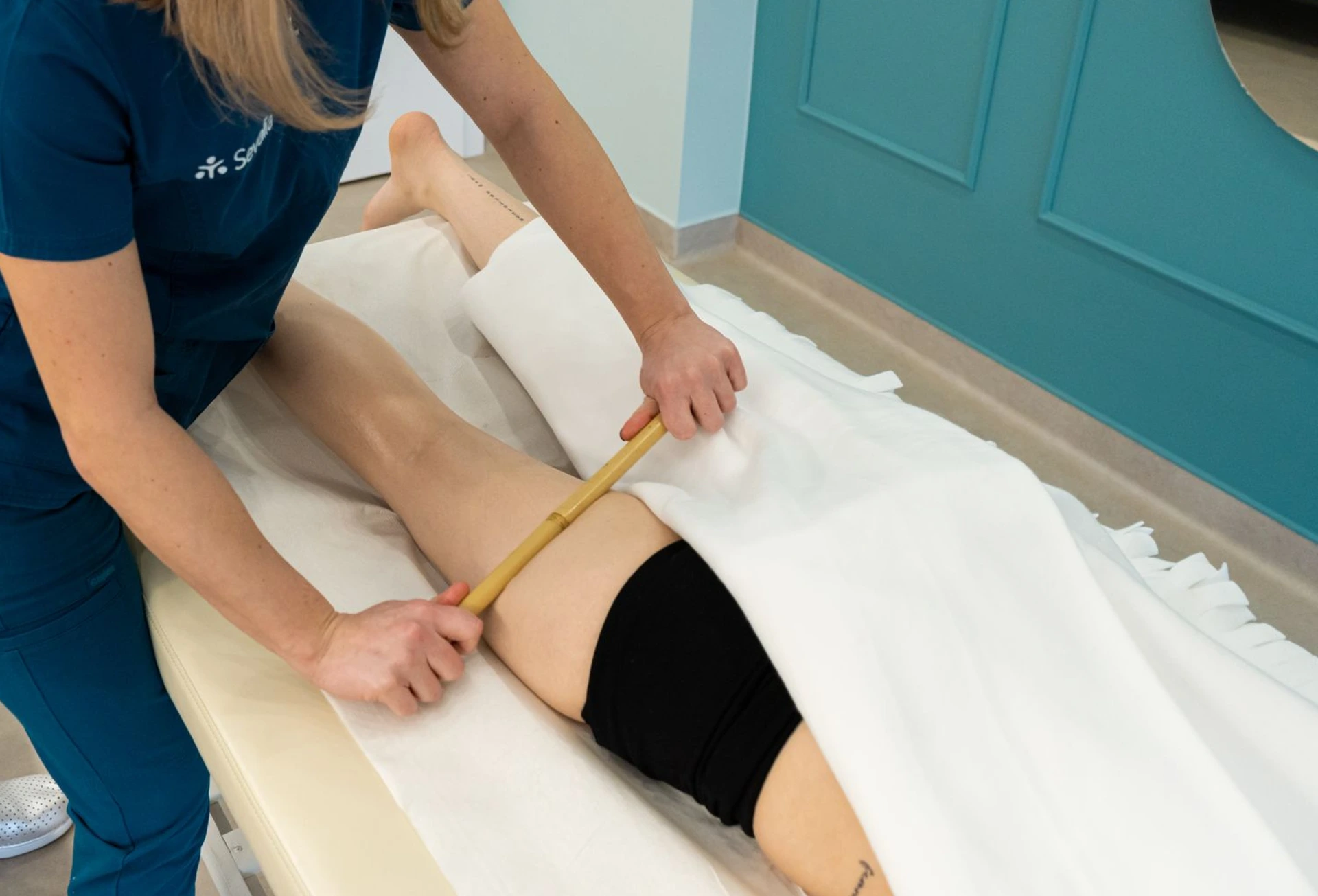
Pressotherapy uses intermittent pneumatic compression, applied via segmental cuffs, to stimulate venous and lymphatic return. It is frequently used for mild to moderate edema, chronic venous insufficiency, post-exercise recovery, or as an adjunct in certain rehabilitation programs. It is not recommended as a standalone method for advanced lymphedema or in cases with significant tissue fibrosis. 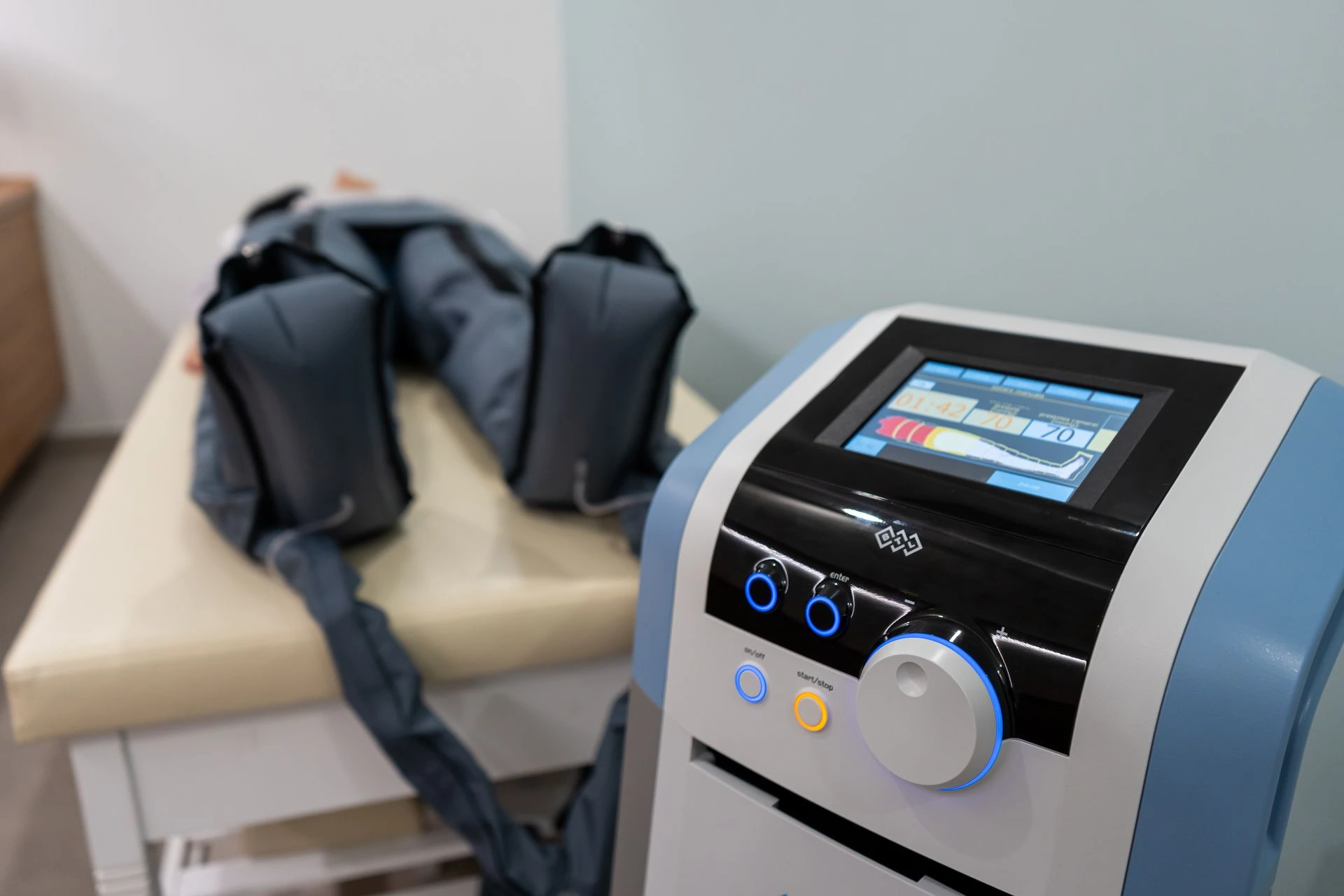
Indications:
- lymphedema
- postoperative swelling
- post-traumatic edema
- certain forms of chronic venous insufficiency
Contraindications:
- decompensated heart failure
- deep vein thrombosis
- thrombophlebitis
- acute infections
- certain active oncological conditions (depending on the clinical context)
- acute inflammatory conditions
- pregnancy (relative contraindication)
The indication for and selection of the lymphatic drainage method (manual or instrumental/pressotherapy) are determined by the physician following a comprehensive clinical evaluation, which establishes the cause of the edema and rules out any absolute or relative contraindications.
The need for assessment and preliminary investigations
Before initiating treatment, it is essential to identify the cause of the edema and rule out any contraindications. Depending on the clinical context, investigations such as venous and/or peripheral arterial Doppler ultrasound, laboratory tests, and cardiological, nephrological, or internal medicine evaluations may be indicated, as well as other imaging studies, depending on the clinical suspicion. Performing lymphatic drainage without a proper evaluation may delay the diagnosis of a significant condition or worsen the patient’s condition.
Lymphatic drainage and cellulite
In aesthetic practice, there is a common belief that lymphatic drainage eliminates or reduces cellulite. From a medical standpoint, this claim is incorrect. Cellulite is a complex structural change in the subcutaneous adipose tissue, influenced by hormonal factors, genetic predisposition, microcirculatory characteristics, lifestyle, and body composition. Lymphatic drainage may temporarily help reduce water retention and improve skin appearance by reducing interstitial edema, but it does not address the causes of cellulite and does not cause it to disappear.
Conclusion
High temperatures can exacerbate fluid retention and the development of peripheral edema, particularly in the lower extremities. However, the presence of edema always requires careful evaluation and an accurate differential diagnosis, as the underlying mechanisms are varied and sometimes involve complex pathologies.
Lymphedema is a distinct clinical condition caused by dysfunction of the lymphatic system and should not be confused with other forms of edema. Accurate differentiation between types of edema is essential for selecting the appropriate treatment and avoiding unnecessary or ineffective interventions.
Lymphatic drainage is a valuable therapeutic procedure when properly indicated, based on a rigorous clinical and laboratory evaluation. Its unjustified use, outside of medical indications, or as a one-size-fits-all solution for any type of “swelling,” can delay the correct diagnosis and appropriate treatment of the underlying condition.
The proper approach to treating edema always involves identifying the cause and tailoring treatment to the individual, with a focus on patient safety and actual benefit.